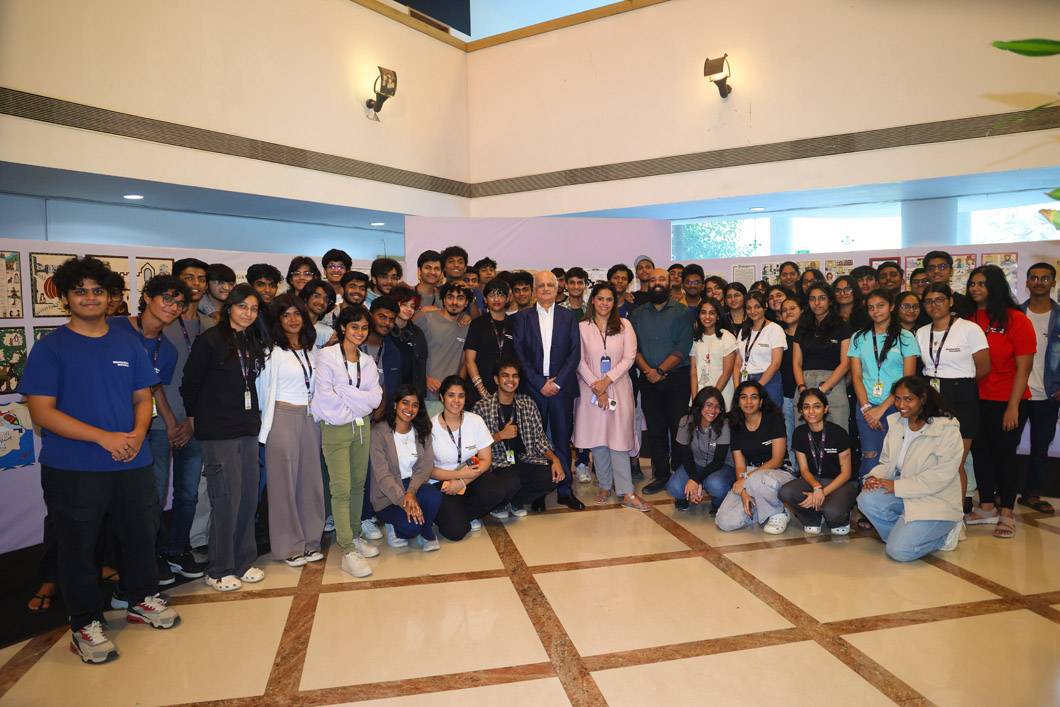
Echoes of Myth Volume II European Folklore in Graphic Art
Co-funded by the European Union under the Erasmus+ Programme within the Jean Monnet Action
Echoes of Myth: Volume II represents the continuation of a pedagogical framework developed within the Comic Book Design module for first-year undergraduate students. While the structure of instruction, duration of the module and modes of assessment remained consistent with the previous cohort, the conceptual focus of Volume II was intentionally inverted to deepen cross-cultural engagement and comparative understanding of folk narratives and visual traditions.
The module was delivered as a 60-hour academic unit and served as an introductory platform for engaging with European folk art traditions through applied visual storytelling. A new cohort of first-year undergraduate students was introduced to the study of European folk art forms as a foundational component of the curriculum, positioning the module as an entry point for understanding cultural aesthetics, symbolism and narrative systems within a European context.
As with the earlier iteration, students were organized into multiple teams and assigned a collective research and production task. Each team was required to select one European folk art tradition and conduct structured research into its historical background, visual language, motifs, material practices and cultural significance.
The central distinction of Volume II lay in the narrative source material. Instead of adapting European folk tales, students were tasked with selecting folk stories from Indian cultural traditions. These narratives were drawn from a wide range of regional, linguistic and oral storytelling practices within India. Students were required to analyse the narrative structure, themes, symbolism and cultural context of their chosen Indian folk story before initiating the adaptation process.
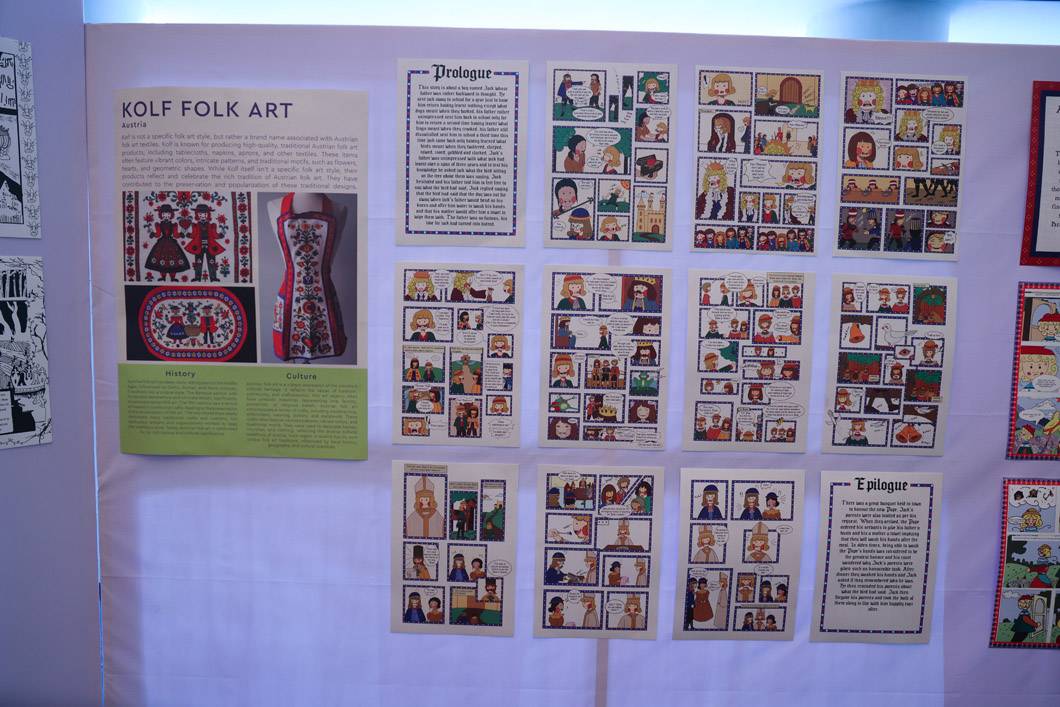
The core assignment involved translating an Indian folk narrative into a 12-page comic, while visually interpreting the story through the stylistic framework of a chosen European folk art tradition. This required students to engage in a layered process of cultural translation, separating narrative content from visual form and recontextualizing one within the aesthetic system of another. The exercise emphasized analytical decision-making rather than direct stylistic imitation, requiring justification for visual choices in relation to narrative meaning.
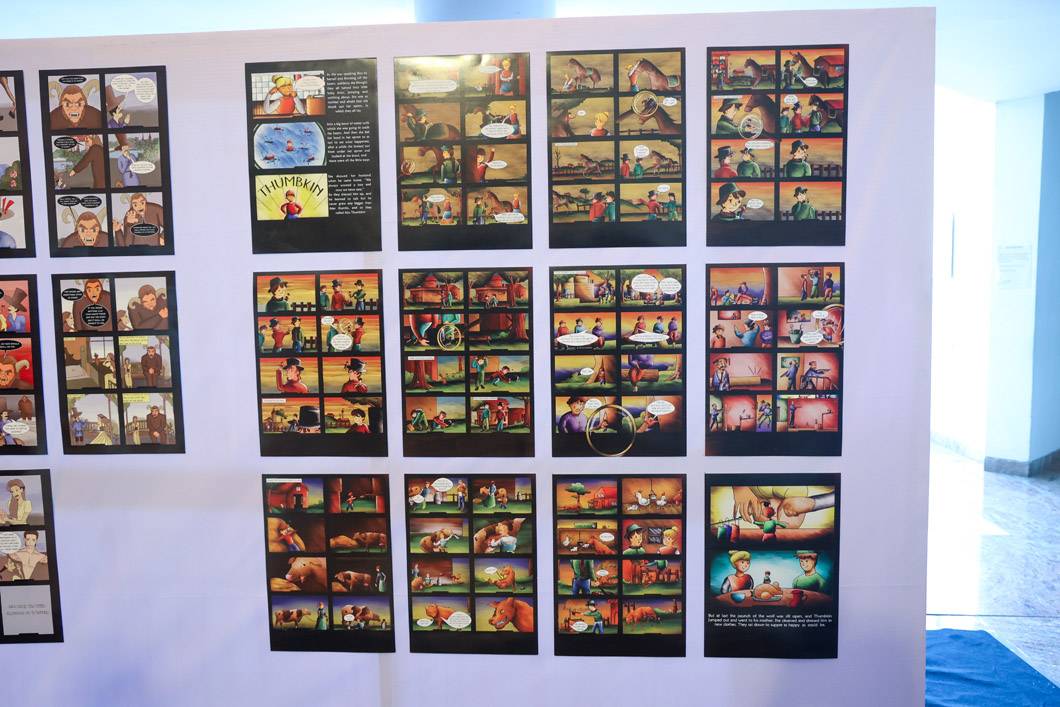
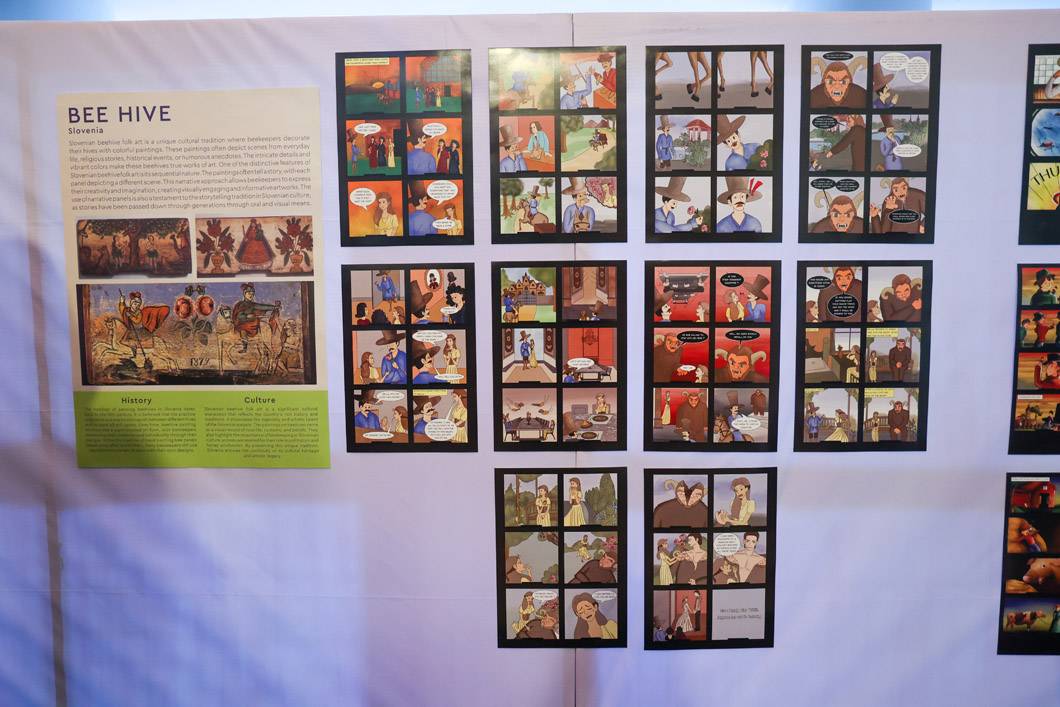
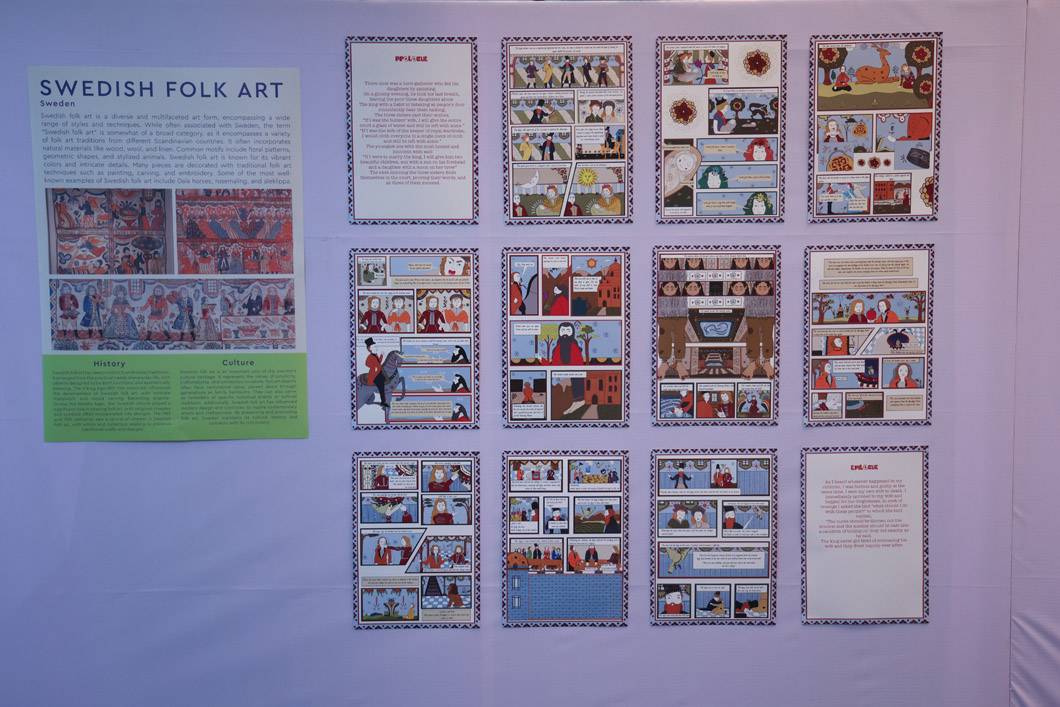
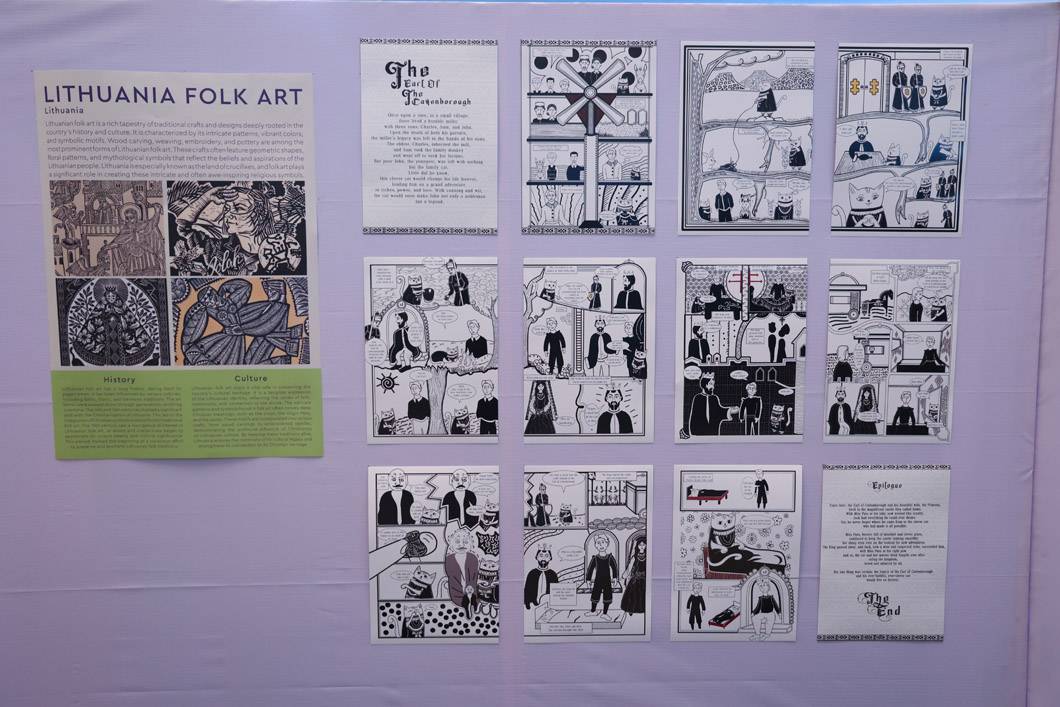
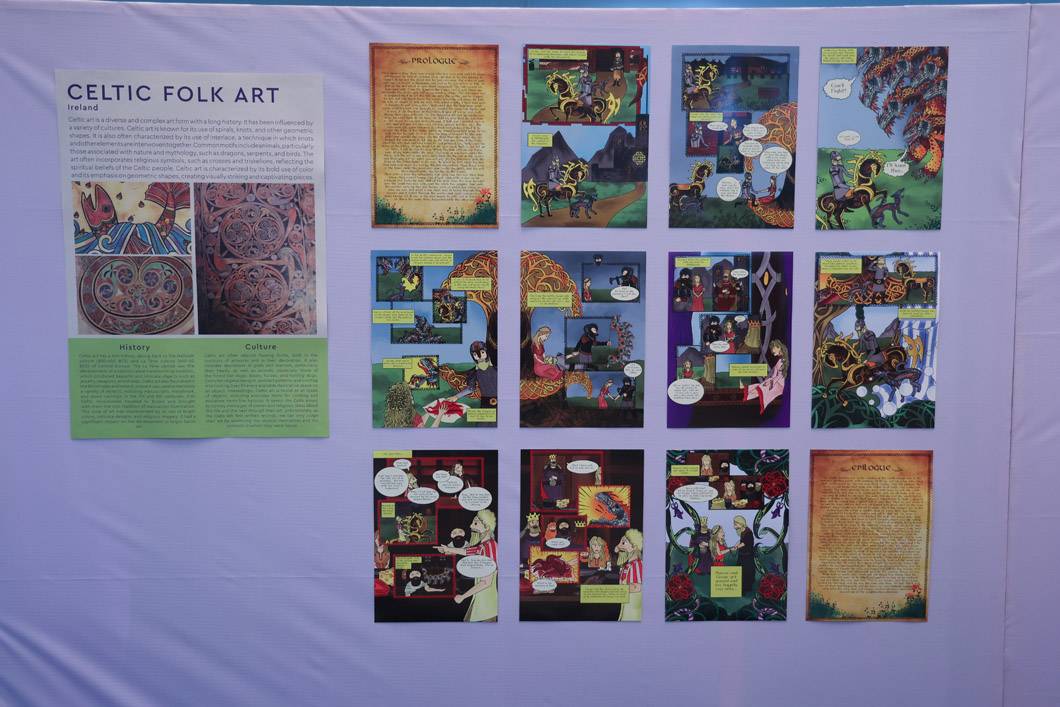
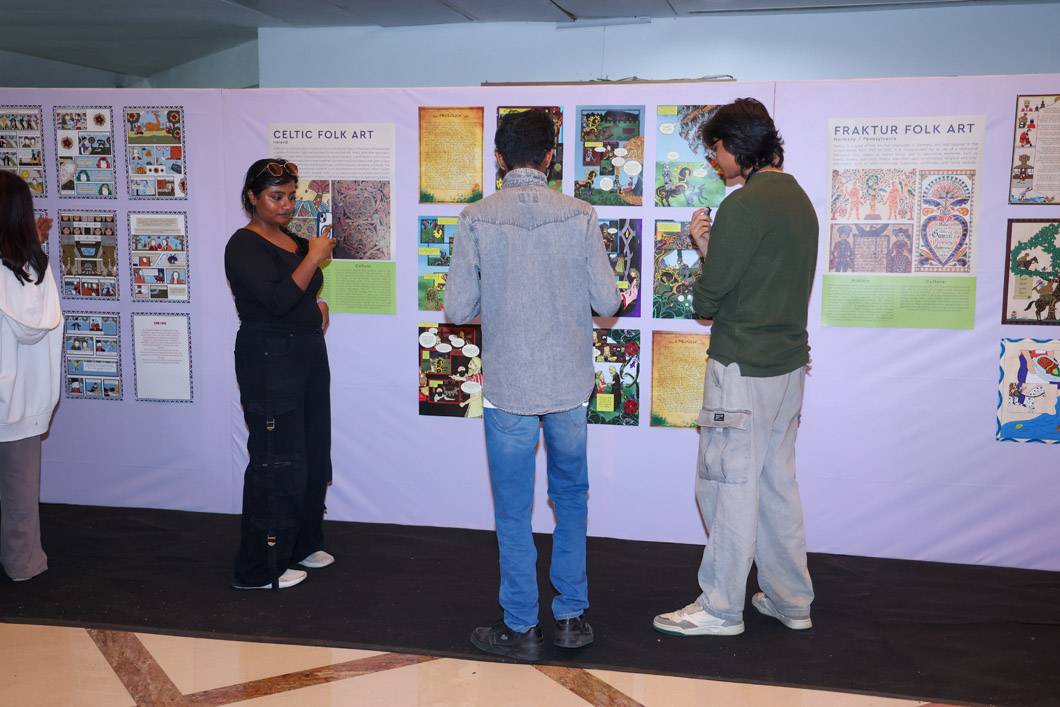
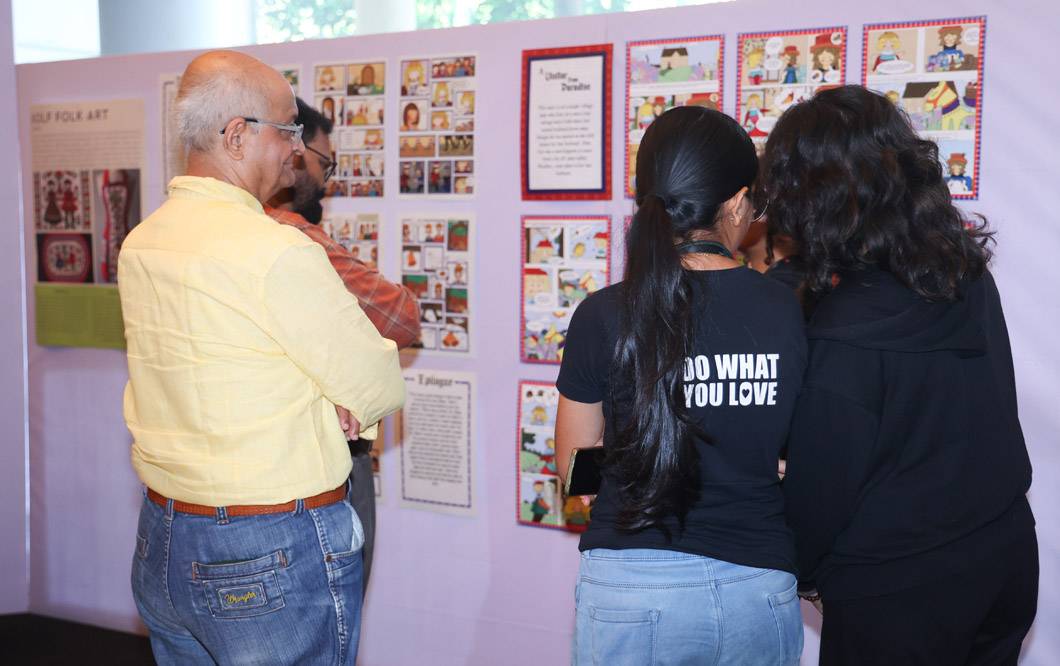
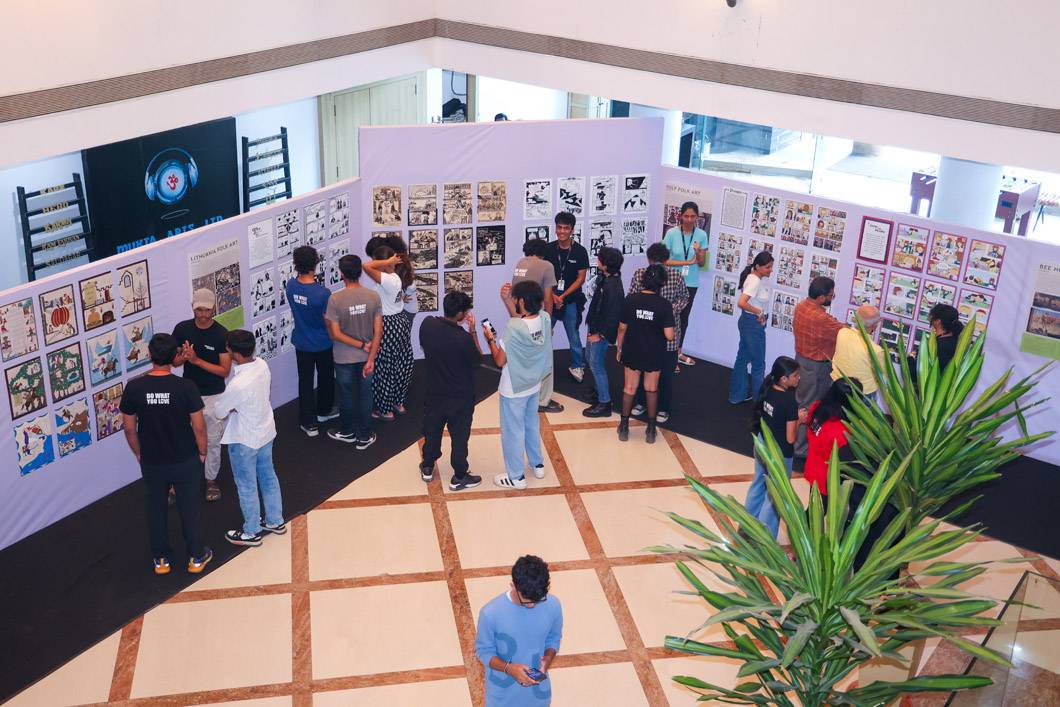
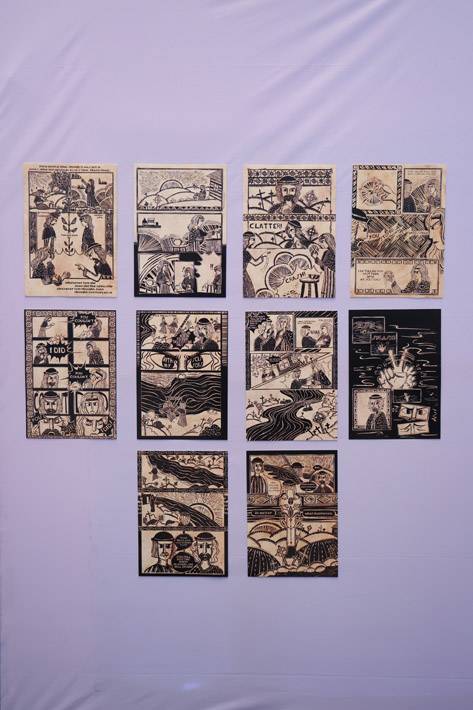
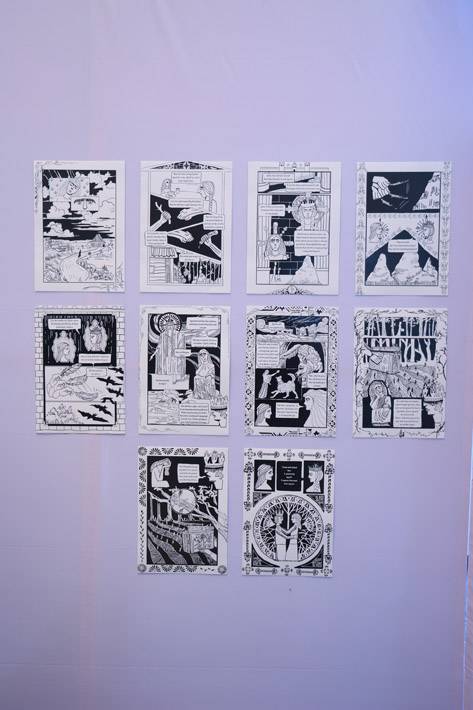
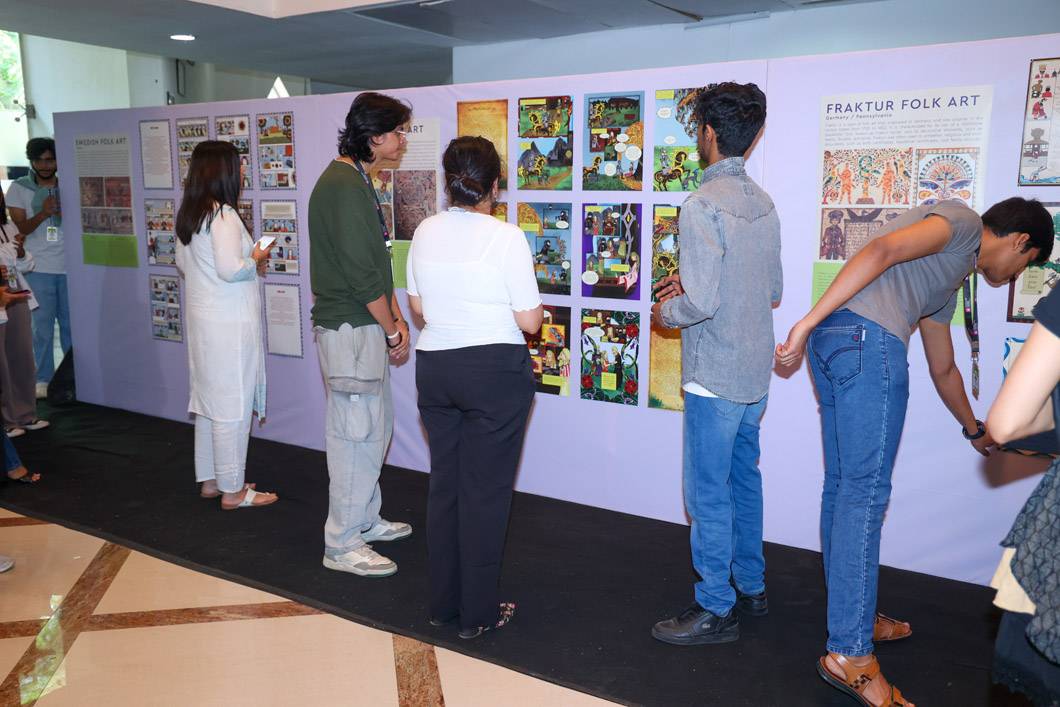
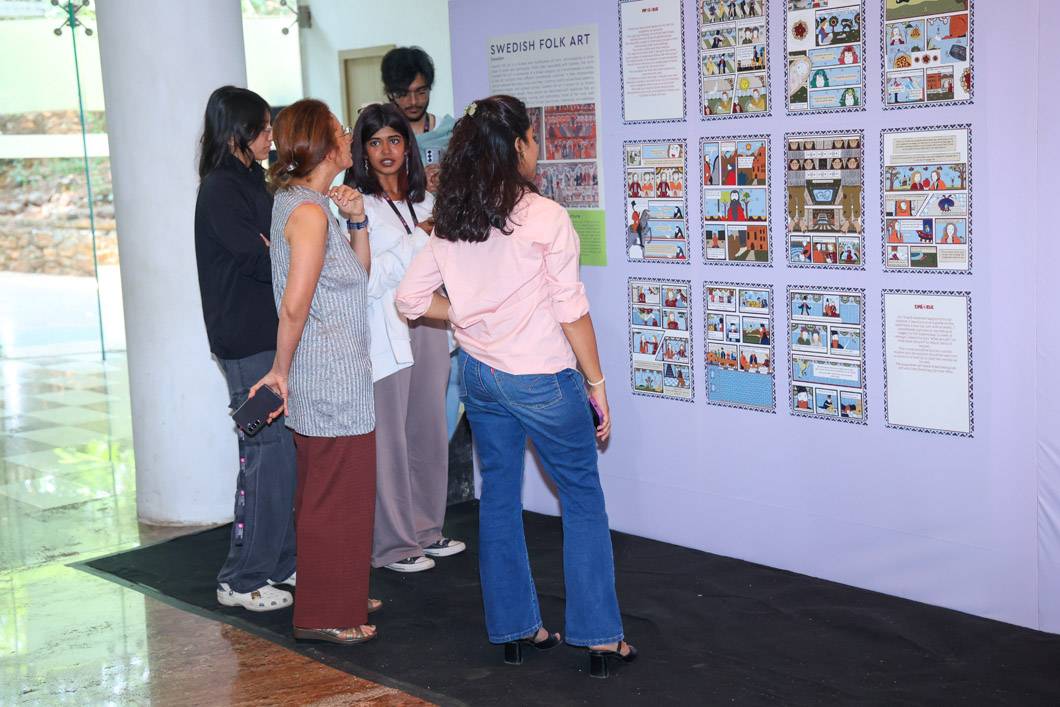
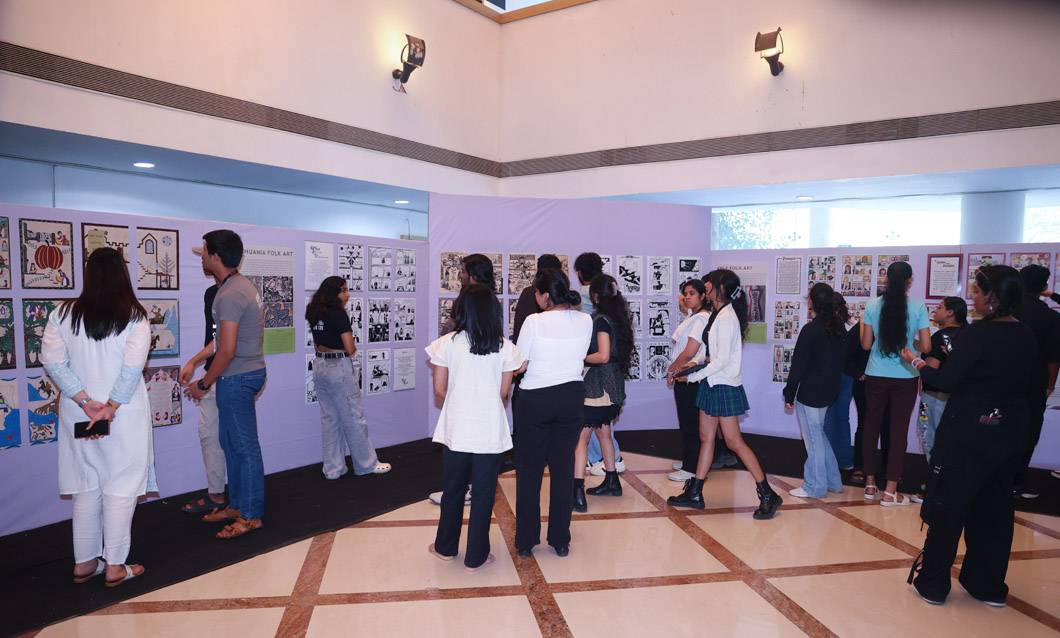
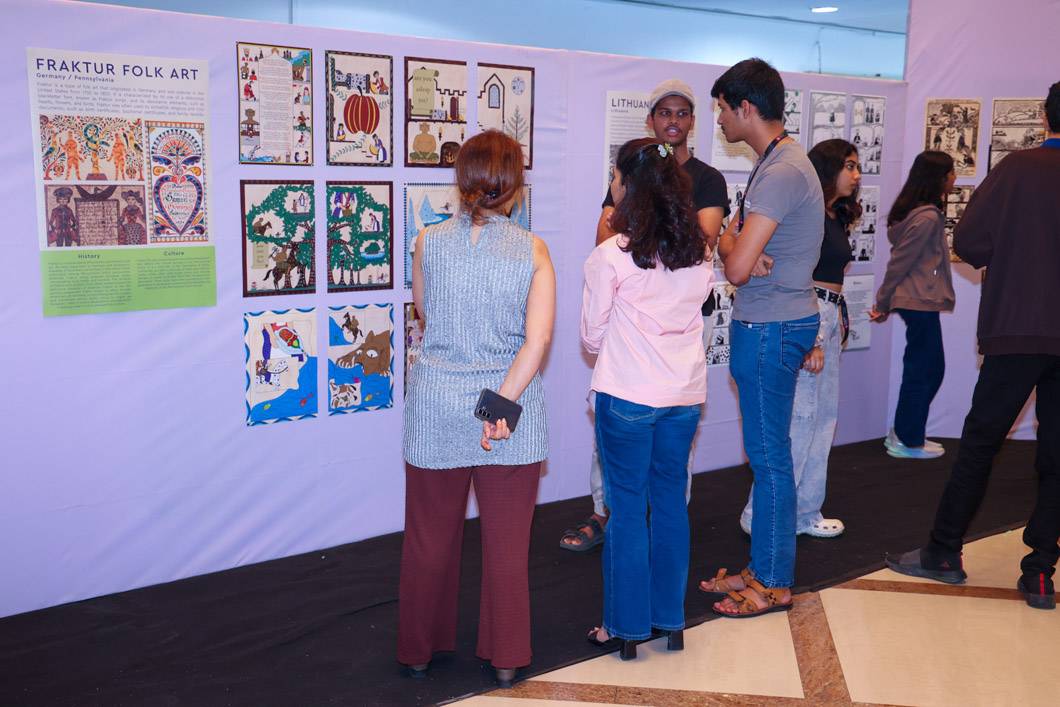
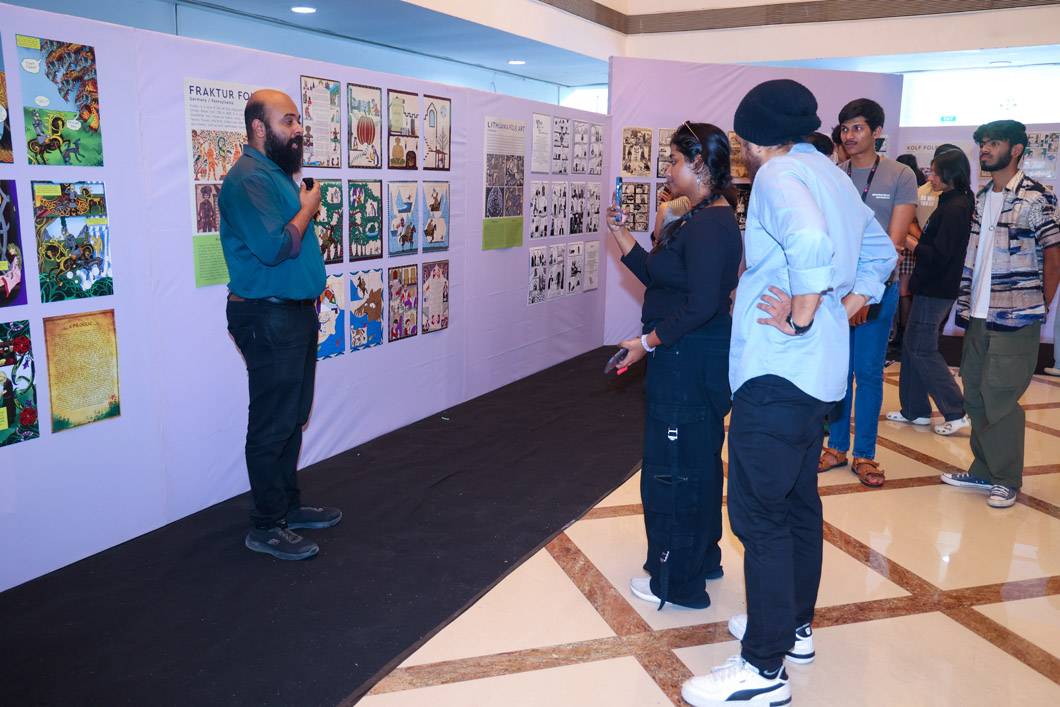
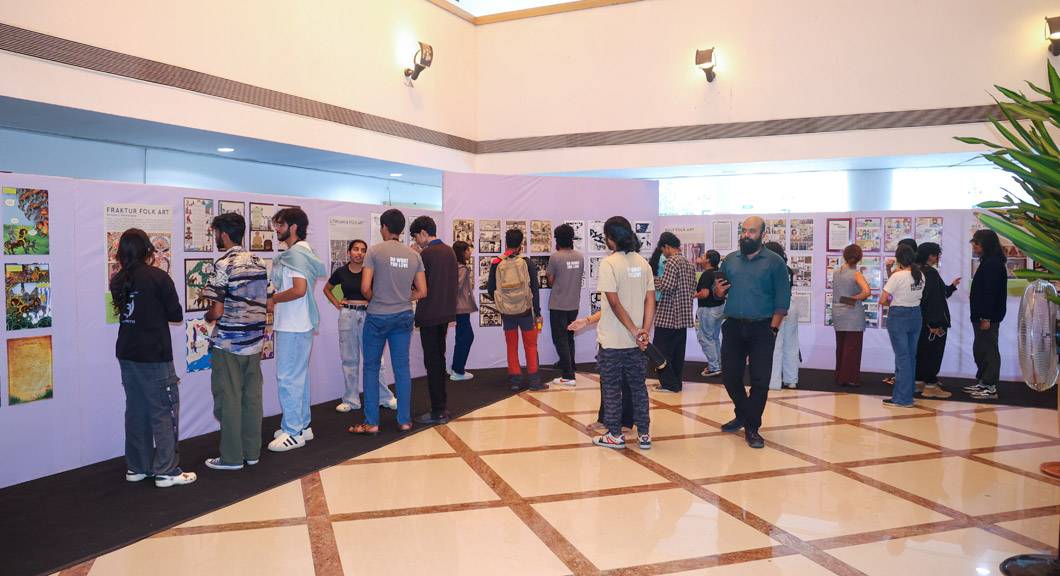
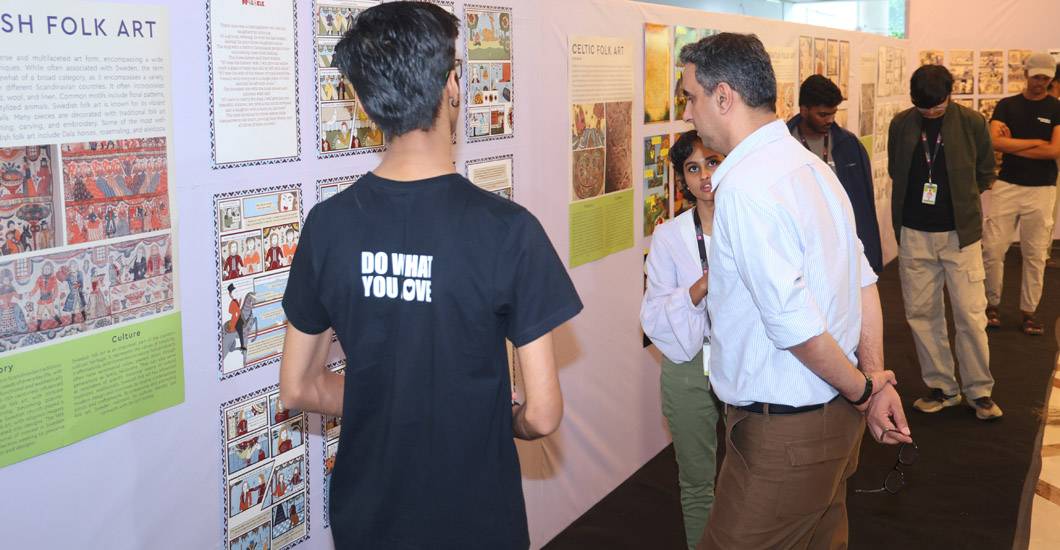
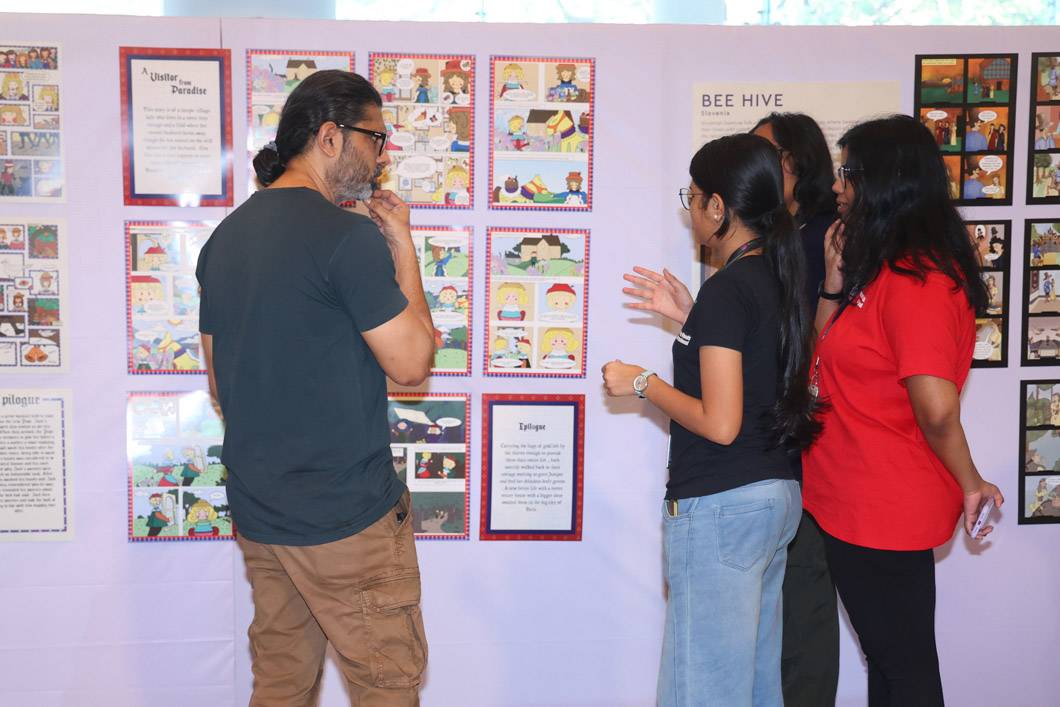
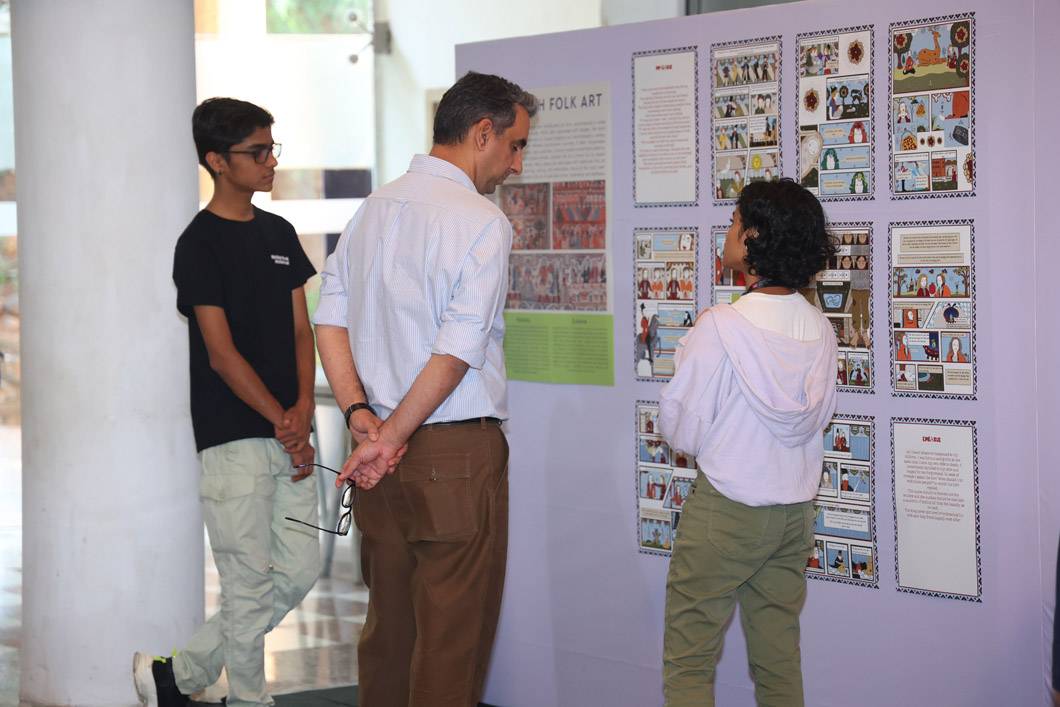
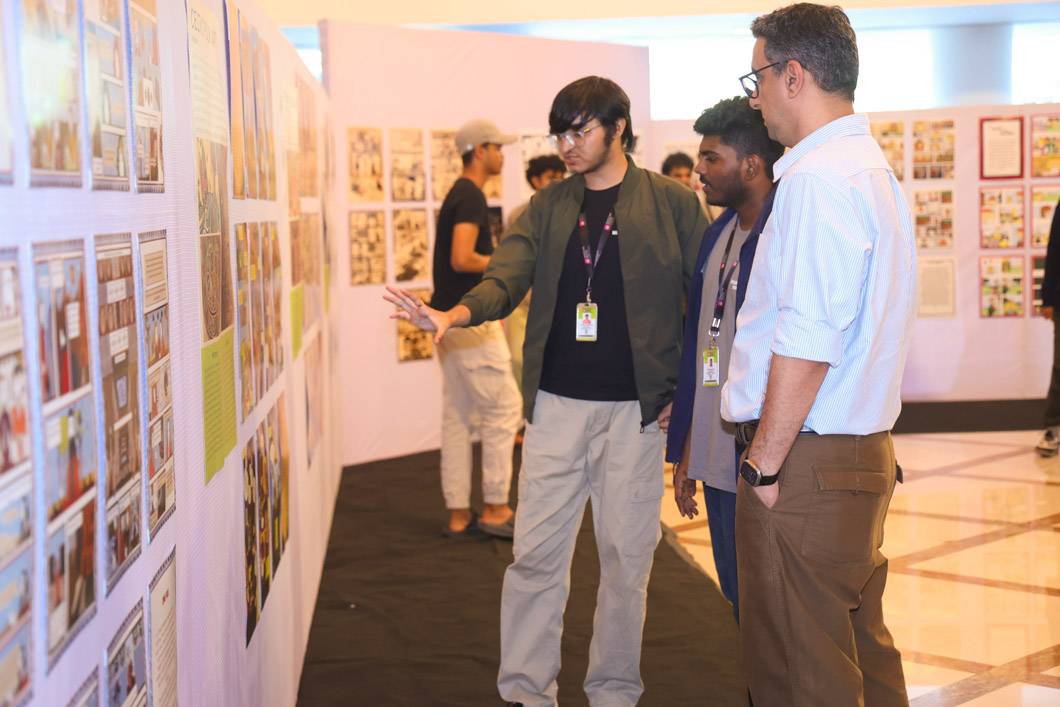
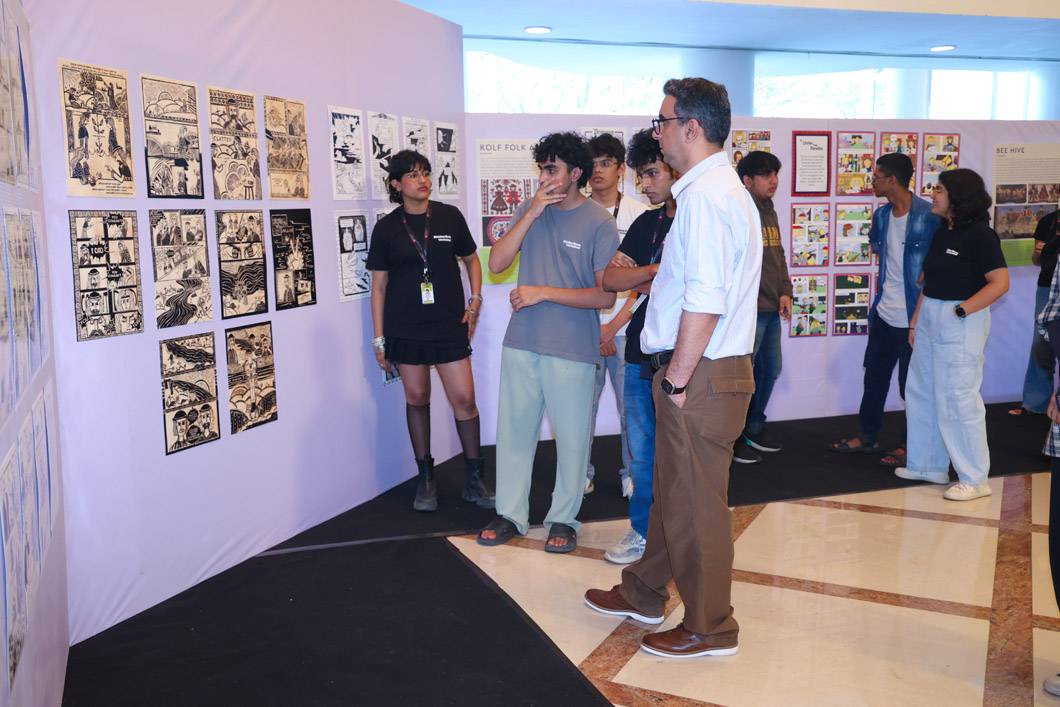
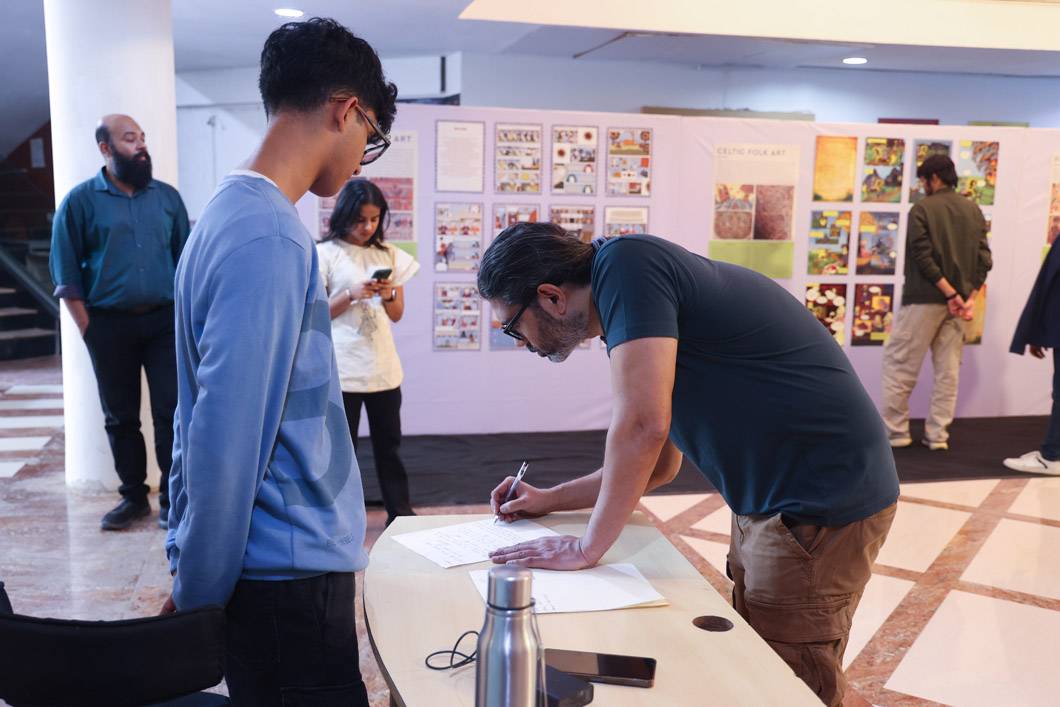
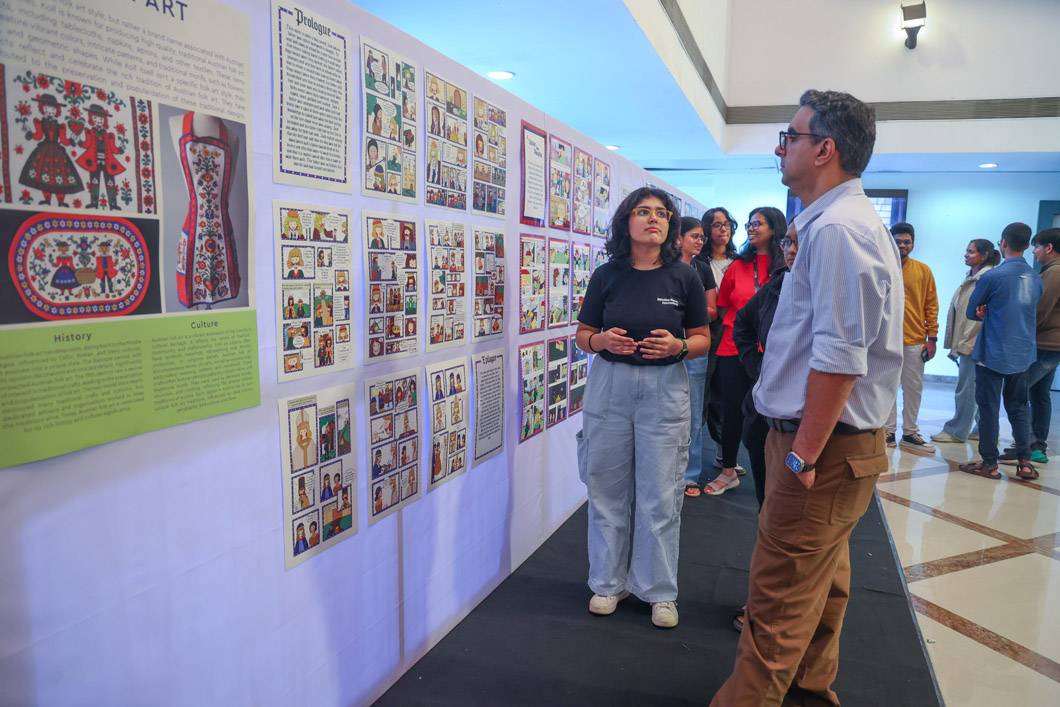
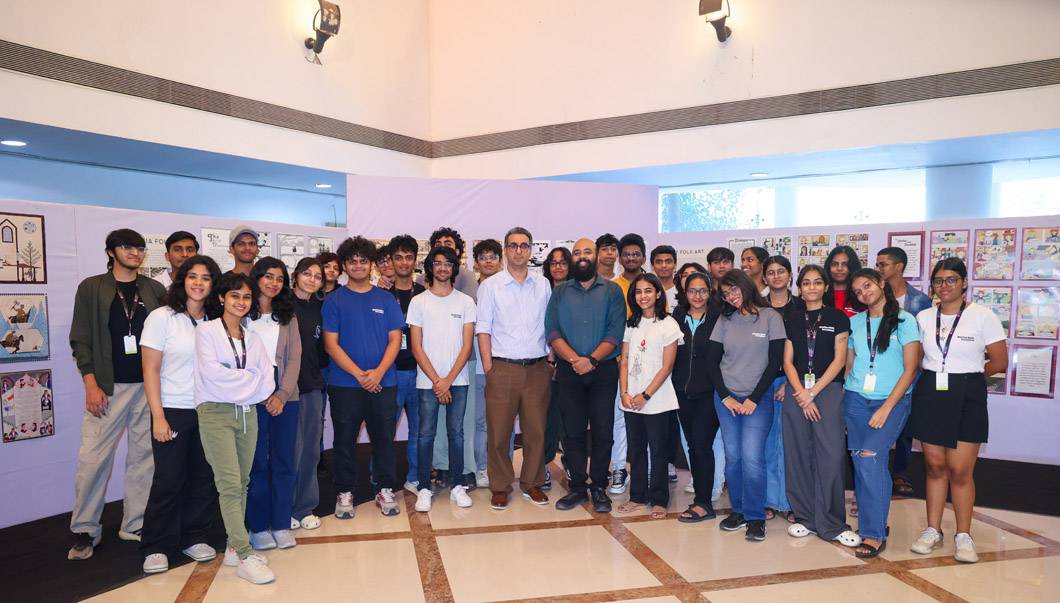
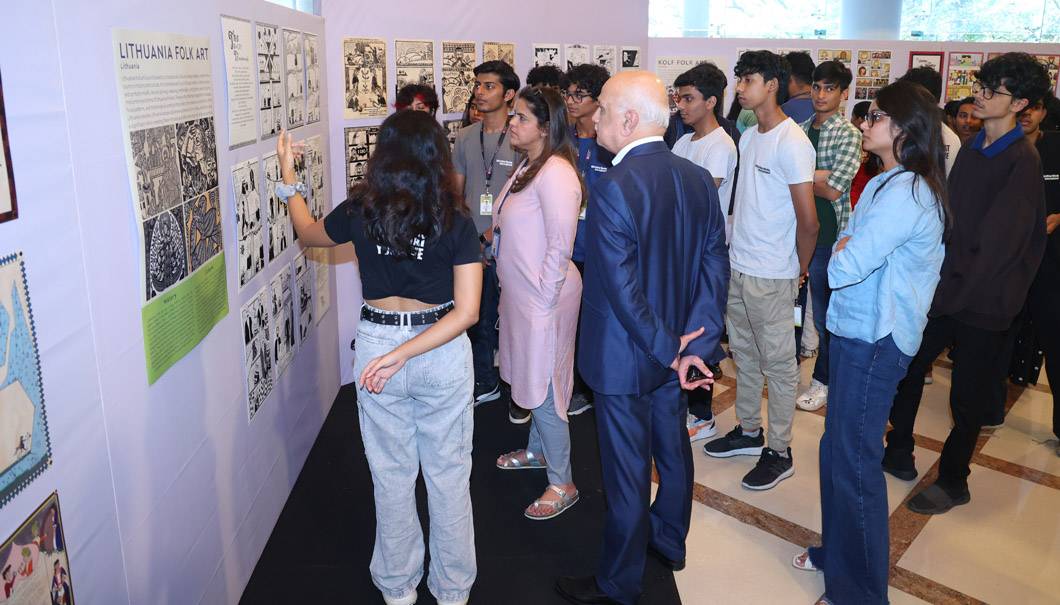
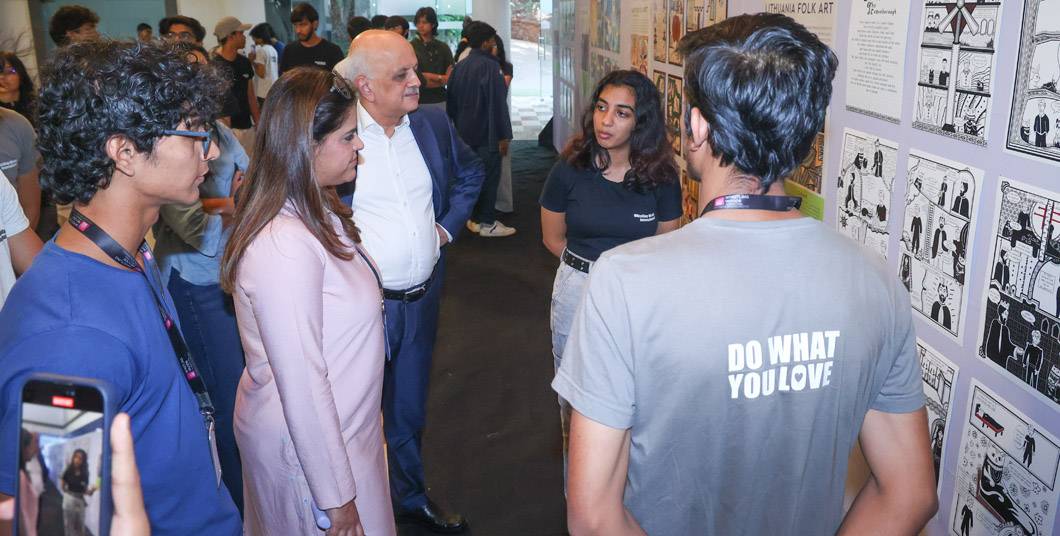
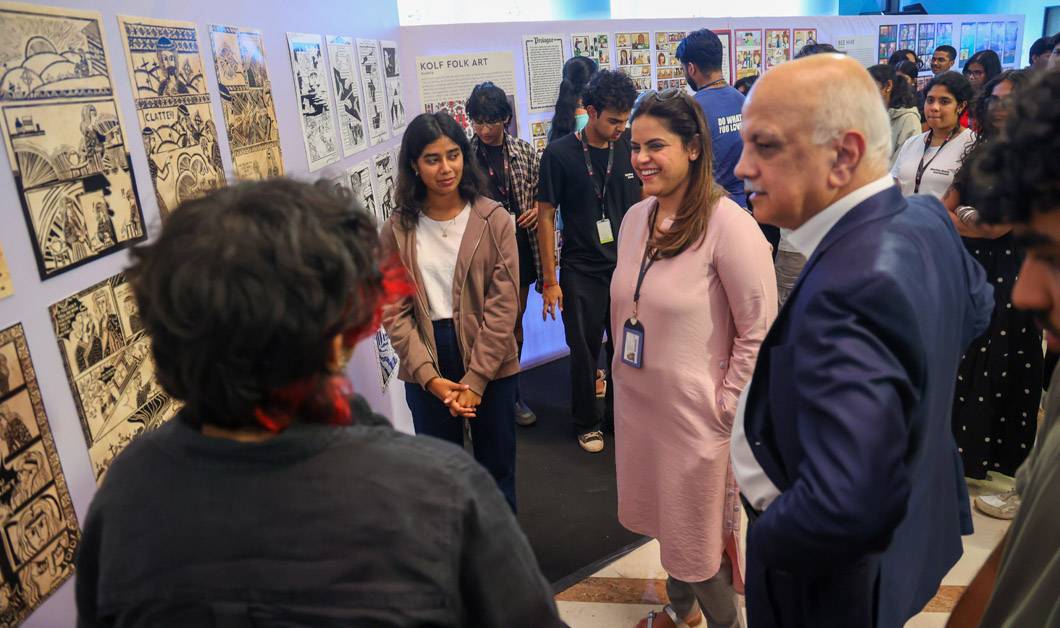
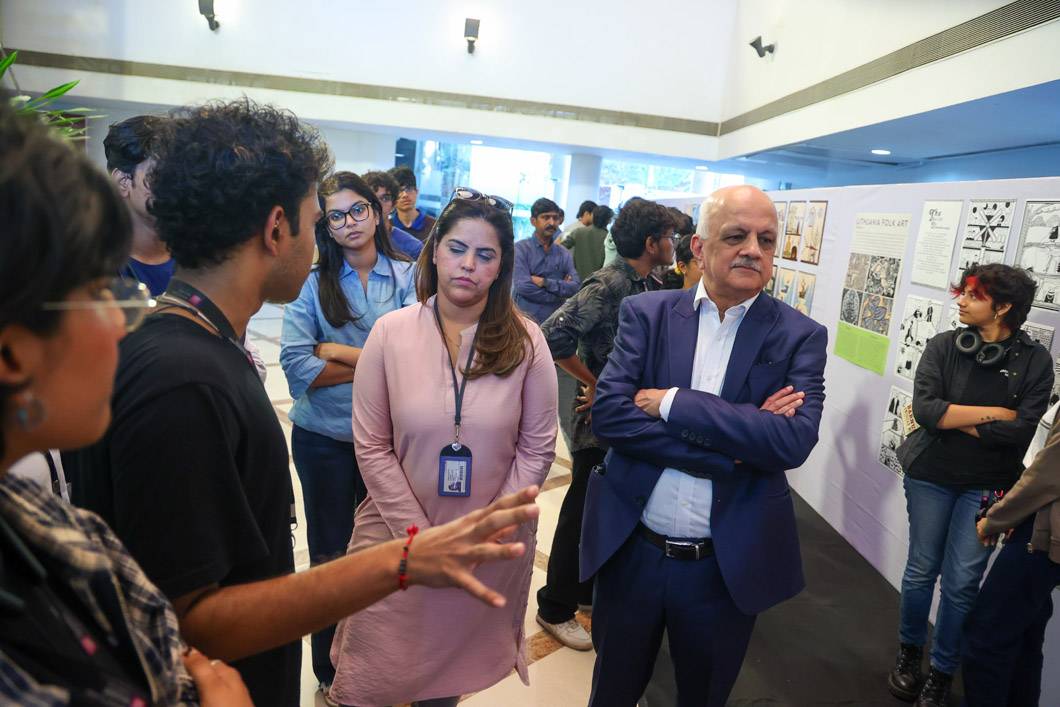
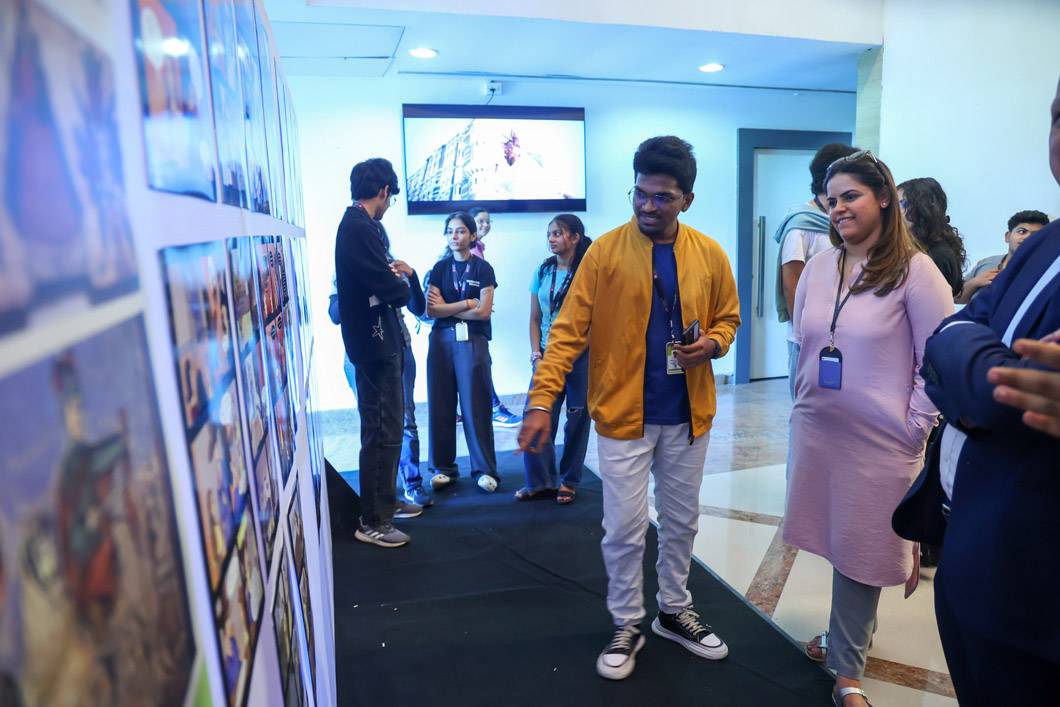
Upon completion of the module, a selection of completed comics was curated into Echoes of Myth: Volume II. The selected works demonstrated varied approaches to the visual translation of Indian folk stories through European folk art aesthetics. Visual strategies included the adaptation of compositional structures, typographic systems, ornamental frameworks, and symbolic motifs associated with the selected European traditions.
Rather than functioning as retellings, the comics produced in this volume operate as interpretive studies. The projects highlight how narrative meaning can shift when cultural content is mediated through an alternative visual language, and how folk traditions from different regions can enter into dialogue through structured design processes.
Student Learning Outcomes
Through participation in Echoes of Myth: Volume II, students demonstrated the ability to:
- Analyze European folk art traditions with attention to form, symbolism, and cultural context
- Study Indian folk narratives as structured storytelling systems rooted in regional and historical specificity
- Apply cross-cultural translation methods in visual storytelling
- Develop sequential narratives that integrate research, design, and narrative analysis
- Collaborate within teams to produce coherent research-driven creative outputs
For first-year undergraduate students, the module functioned as a foundational academic experience that introduced both European folk art studies and comparative cultural practice. Echoes of Myth: Volume II documents this pedagogical process and reinforces the module’s role as a gateway into structured cultural inquiry through comics, research, and design-based interpretation.
E-book coming soon.